Trees add beauty, shade, and value to a property. But when a tree begins to decline, it can quickly become a safety hazard if the problem goes unnoticed. Many homeowners wonder how to tell if a tree is dying on your property, especially when the signs are subtle at first.
At our team’s experience working with homeowners across Northwest Louisiana, we often find that early warning signs appear long before a tree fails completely. Learning to recognize these signals can help protect your landscape and prevent property damage.
Below, we explain the most common indicators that a tree may be dying and when it is time to call professionals for help.
How to Tell If a Tree Is Dying on Your Property: Key Warning Signs
Understanding how to tell if a tree is dying on your property starts with observing visible changes in the tree’s leaves, branches, and trunk. Trees communicate distress through physical symptoms, and recognizing them early allows homeowners to act before the problem worsens.
Discolored or Wilting Leaves
Leaves are often the first place where tree stress appears.
Healthy leaves typically maintain vibrant color throughout their growing season. When a tree begins struggling, leaves may:
-
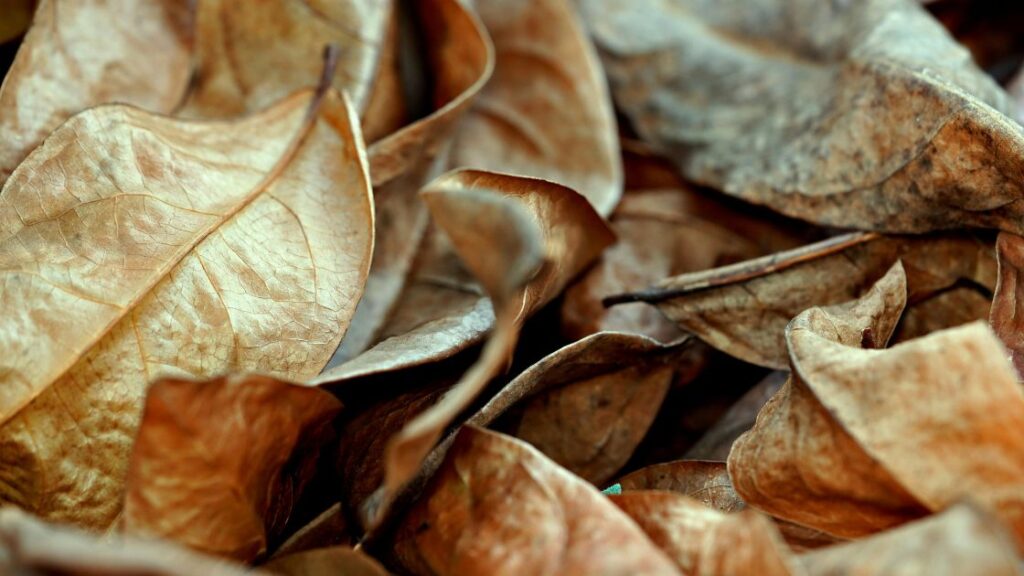
Turn yellow or brown earlier than expected
-
Curl or wilt during normal weather conditions
-
Fall off prematurely
-
Appear patchy or uneven in color
These changes may indicate drought stress, disease, pest infestations, or nutrient deficiencies.
Because leaves are responsible for photosynthesis, visible decline often signals deeper problems within the tree’s vascular system or root structure.
According to the USDA Forest Service, leaf discoloration outside normal seasonal cycles is one of the earliest indicators of tree stress.
Branch Damage and Dieback
Another important clue when evaluating how to tell if a tree is dying on your property is branch behavior.
Healthy branches bend slightly and remain flexible. Declining trees often develop brittle limbs that break easily.
Signs of branch trouble include:
-
Branches snapping during calm weather
-
Dead limbs scattered throughout the canopy
-
Branch tips dying back from the outside inward
This condition, known as branch dieback, usually indicates internal disease, root damage, or poor nutrient flow. Dead limbs also create safety risks, particularly during storms.
In these cases, professional pruning may help restore tree health. Our team often assists homeowners with careful trimming through our professional tree trimming services to remove hazardous or diseased limbs.
Trunk Damage That Signals Decline
The trunk acts as the tree’s central transport system for water and nutrients. When trunk damage appears, it often indicates serious internal problems.
Look for these warning signs:
-
Deep cracks or splits in the bark
-
Large cavities or hollow areas
-
Bark peeling or falling away
-
Sap leaking from wounds
-
Fungal growth or mushrooms near the base
Fungi growing around the trunk or roots frequently signal internal decay. The International Society of Arboriculture notes that visible fungal bodies usually appear after significant internal rot has already begun.
If these symptoms appear, a professional evaluation is recommended.
Root and Soil Problems
Many tree health issues begin below the surface. Understanding root health is another important step in determining how to tell if a tree is dying on your property.
Signs of root trouble include:
-
Exposed or damaged roots
-
Soft or decaying root structures
-
Soil erosion around the base
-
Poor drainage or standing water
Healthy soil typically maintains a balanced pH between 6.0 and 7.0 for most tree species. When soil conditions fall outside this range, nutrient absorption becomes difficult and trees slowly weaken.
Construction, lawn equipment, and heavy foot traffic can also compact soil, restricting oxygen to the roots.
When Professional Tree Care Is Necessary
If a tree shows multiple warning signs, early intervention becomes essential. A professional arborist can determine whether treatment, pruning, or removal is the safest option.
In many cases, removing damaged limbs and improving soil conditions can help restore tree health. However, when structural integrity is compromised, removal may be the safest solution for the property.
Our team regularly helps homeowners assess risk and maintain safe landscapes through services like safe tree removal, especially when a tree threatens homes, driveways, or power lines.
Preventing Tree Decline on Your Property
Preventive care remains the most effective way to protect trees.
Homeowners should consider:
-
Inspecting trees twice per year
-
Watering deeply during dry periods
-
Applying mulch around the root zone
-
Removing dead branches promptly
Consistent monitoring allows homeowners to catch problems early before significant damage occurs.
Protect Your Landscape With Expert Tree Care
Learning how to tell if a tree is dying on your property can help homeowners act quickly and prevent safety hazards. Changes in leaves, branches, bark, or roots often indicate deeper problems that require professional evaluation.
Our experienced arborists understand the tree species and environmental conditions throughout Northwest Louisiana. When homeowners notice warning signs, our team can provide clear recommendations and safe solutions.
If you suspect a tree on your property may be declining, contact Miller Tree Service today for expert guidance.
Call us at 318-747-1568 to schedule a professional tree assessment.